Florida Property Tax Explained for Buyers Making a Move to Florida

Facebook
X
LinkedIn
Threads
Email

Search For Your Florida Dream Home

Price
Beds
Baths
Save Search
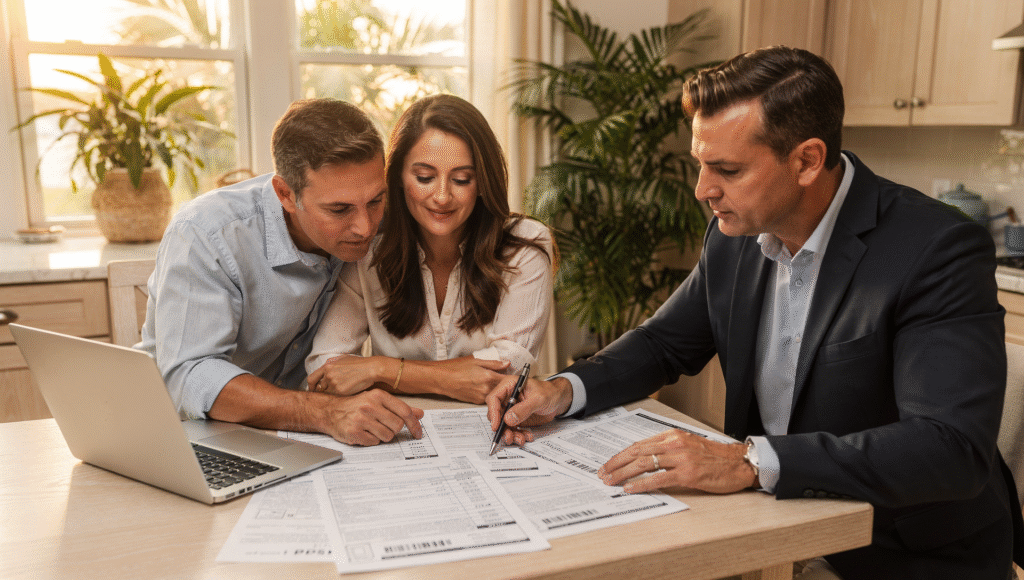
Close up of a Florida couple at a kitchen table reviewing property tax documents with a laptop open to a home search site, warm natural light, tropical decor, real estate advisor pointing at numbers, professional lifestyle photo

If you are looking at homes in Miami, Orlando, Tampa, Jacksonville, Naples, or that quiet little town on the Gulf you just discovered on Zillow, you have probably asked yourself the same question as everyone else: how do property taxes actually work here? Consider this your go to guide for Florida property tax explained in plain English, written by locals who live and breathe Florida real estate at Welcome to Florida Real Estate (WTF Real Estate).

At WTF Real Estate, we connect serious buyers and sellers with screened Florida realtors and give you access to a full state IDX home search, so you can compare homes and communities across the Sunshine State with confidence. Understanding property taxes is a big part of that decision.

Florida Property Tax Explained For Everyday Homeowners

At a high level, Florida property tax is based on the value of your property. Counties, cities, school boards, and special districts set tax rates each year, then apply those rates to your property value to calculate what you owe.

Here is the simple version of how it works:

  1. The county property appraiser estimates your property value.

  2. Exemptions like the Homestead Exemption are applied if you qualify.

  3. Local governments set tax rates, called millage rates.

  4. Those rates are multiplied by your taxable value to calculate your annual bill.

  5. Your lender usually collects a portion of that bill each month in your mortgage payment.

So even though you may never write a big check once a year, your monthly payment already includes an estimated property tax portion, especially if you are using an escrow account.

Search For Your Florida Dream Home

Price
Beds
Baths
Save Search

Key Terms To Understand When Florida Property Tax Is Explained

Assessed Value Versus Market Value

When you browse homes on IDX search across Florida, you are looking at market value. This is roughly what buyers in your area are willing to pay for a home in normal conditions.

The assessed value is what the county uses to calculate your taxes. It can be different from market value because of caps and rules.

Key points to know:

  • Market value is what the home could sell for in the current market.

  • Assessed value is the number the county assigns after applying its own valuation rules.

  • Taxable value is the number after exemptions, such as the Homestead Exemption, are subtracted.

You might see a gorgeous pool home in Naples listed for 950,000 and notice the taxable value is much lower. That is often because the owner has enjoyed homestead protections and caps for years.

Homestead Exemption And Why It Matters

Florida is famous for its Homestead Exemption, which is a powerful benefit if the property is your primary residence.

In simple terms:

  • You can reduce your taxable value by up to a certain amount for a qualifying primary home.

  • This reduction lowers your property tax bill every single year.

  • Homestead also gives you legal protections in some situations, which your attorney can explain in detail.

The result is that owning a primary home in Florida is often more tax friendly than people expect, especially if they are relocating from high tax states.

The Save Our Homes Cap

Another phrase you will see in Florida property tax explained guides is Save Our Homes.

Here is what it does:

  • It limits how much the assessed value of a homesteaded property can increase each year.

  • The increase is capped by a formula tied to inflation, up to a maximum percentage.

  • That cap helps long term homeowners avoid huge jumps in property taxes when the local market heats up.

So if you buy in a fast growing area like Lake Nona in Orlando or a hot neighborhood in Tampa, your market value might climb quickly, but your assessed value and tax bill will rise more slowly if you have homestead in place.

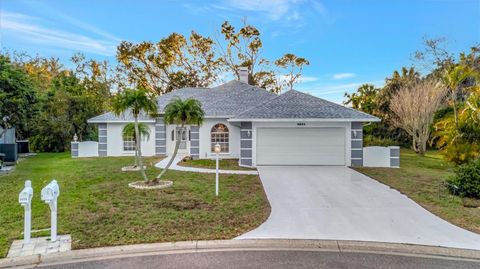
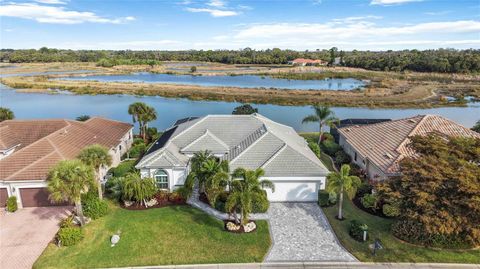
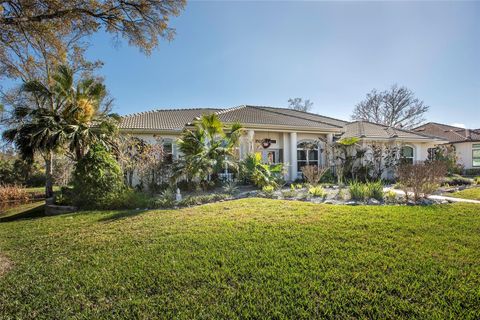
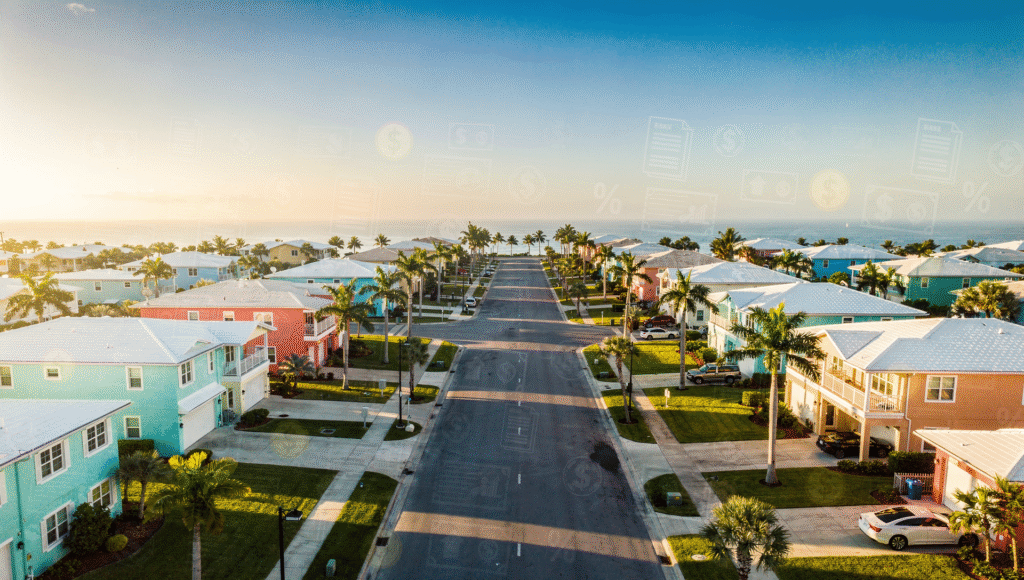
Florida suburban neighborhood with palm trees and homes illustrating how property taxes work in the state

How Florida Property Tax Rates Are Set

Your total property tax rate is made up of several pieces, called millage rates. Each local authority sets its own rate, and they are combined on your bill.

Typical components include:

  • County government

  • School board

  • City or town (if you live inside city limits)

  • Special districts, such as water management or community development

You will see millage rates written as a number like 18.5. In practice, this means you pay $18.50 in tax for every $1,000 of taxable value.

So if your taxable value is 300,000 and the total millage rate is 18.5, your base property tax estimate is:

  • 300 x 18.5 = 5,550 per year

That is before any small assessments or fees that might be included in your final bill.

How Property Taxes Affect Your Monthly Payment

When buyers work with screened Florida realtors through WTF Real Estate, one of the biggest surprises is how much taxes affect their monthly budget, especially when moving from another state.

Your lender often collects:

  • Principal and interest on the loan

  • Monthly portion of property taxes

  • Monthly portion of homeowners insurance

  • Possibly HOA or CDD fees, depending on the community

Because Florida has no state income tax, local governments rely heavily on property taxes. That means planning for the tax portion is smart if you are eyeing a beach condo in Sarasota or a family home in Wesley Chapel.

To get a fuller picture of your overall budget, combine this article with your cost research and read Florida Cost Of Living Comparison 2026: What Moving Really Costs (https://wtfrealestate.com/florida-cost-of-living-comparison-2026-what-moving-really-costs/).

Why Florida Property Taxes Can Feel Lower Than Other States

Even though certain Florida areas have strong property values, buyers from high tax states are often pleasantly surprised when we walk them through Florida property tax explained in context.

Reasons it can feel more affordable:

  • No state income tax, so your overall tax picture may improve.

  • Homestead benefits and the Save Our Homes cap protect primary residents.

  • Many master planned communities in Orlando, Tampa Bay, and Jacksonville are designed with tax efficiency and amenities in mind.

If you are curious why so many people are choosing the Sunshine State, it is worth reading 10 Reasons Everyone Is Moving To Florida and What It’s Like Living In Florida: 10 Amazing Things That Happen To You. These will give you a lifestyle lens to pair with the tax conversation.
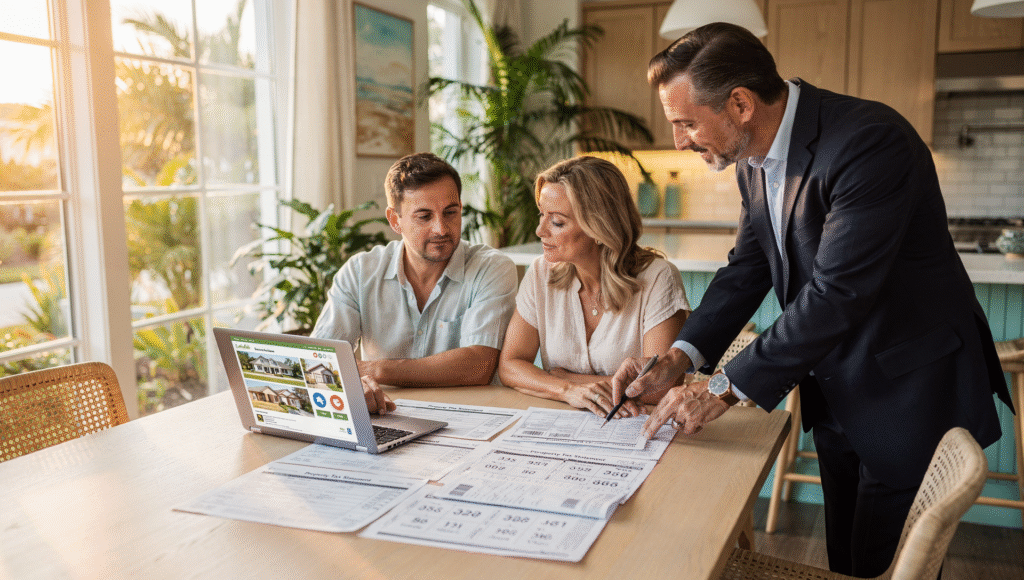
Florida home buyers reviewing property tax estimates while searching for homes online

Property Taxes And Choosing The Right Florida Neighborhood

When you are comparing neighborhoods in Florida, taxes are only one part of the equation. The right choice also depends on:

  • School quality and family friendly amenities

  • Commute time and access to major roads

  • Proximity to beaches, parks, and nightlife

  • HOA fees and what they cover

  • Community feel, safety, and long term growth

If you are raising a family, a screened WTF Real Estate partner can help you compare property taxes alongside schools and community features in some of the top family neighborhoods in Florida. You can start exploring ideas with Top Family Neighborhoods In Florida You’ll Want To Move To.

Tips For Planning For Florida Property Taxes Before You Move

Here are practical steps to keep your budget on track:

  1. Use a property appraiser website
    Look up recent tax bills in the counties where you are searching. You can search by address and see what current owners pay.

  2. Talk with a local Florida realtor who knows the area
    A screened WTF Real Estate agent can tell you when a tax bill looks unusually high or low for the neighborhood.

  3. Ask your lender for an accurate monthly estimate
    They can break down your projected payment into principal, interest, taxes, insurance, and any HOA or CDD items.

  4. Plan for changes when you buy
    If you are purchasing from an owner who has had homestead for many years, your taxable value could reset closer to the current market price. A local expert can help you estimate the impact.

  5. Think about your long term plans
    If your goal is to stay in one home in Florida for many years, the combination of homestead and the Save Our Homes cap can help your property tax situation improve relative to your income over time.

Ready To Explore Florida Homes With Property Taxes In Mind?

Now that you have had Florida property tax explained in plain language, it is much easier to look at homes and communities through a confident lens. The next step is to pair this knowledge with a trusted local guide and accurate home data.

At Welcome to Florida Real Estate (WTF Real Estate), we:

  • Connect you with screened, ethical Florida realtors who know local taxes, neighborhoods, and lifestyle details.

  • Give you access to a full state IDX home search, so you can compare homes from Pensacola to Key West in one place.

  • Help you balance property taxes, HOA fees, and overall cost of living, so you can choose the Florida lifestyle that actually fits your budget.

If you are thinking about moving to Florida, upgrading your home, or investing in a second property, now is the perfect time to get guidance.

Start your full state home search on WTF Real Estate today or connect with a screened Florida realtor who can walk you through exact property tax numbers for the homes you love.

Thinking of Buying or Selling in Florida?

Fill out the form below and we will team you up with one of our exclusive Florida REALTORS – Pre screened and vetted for pinnacle service.