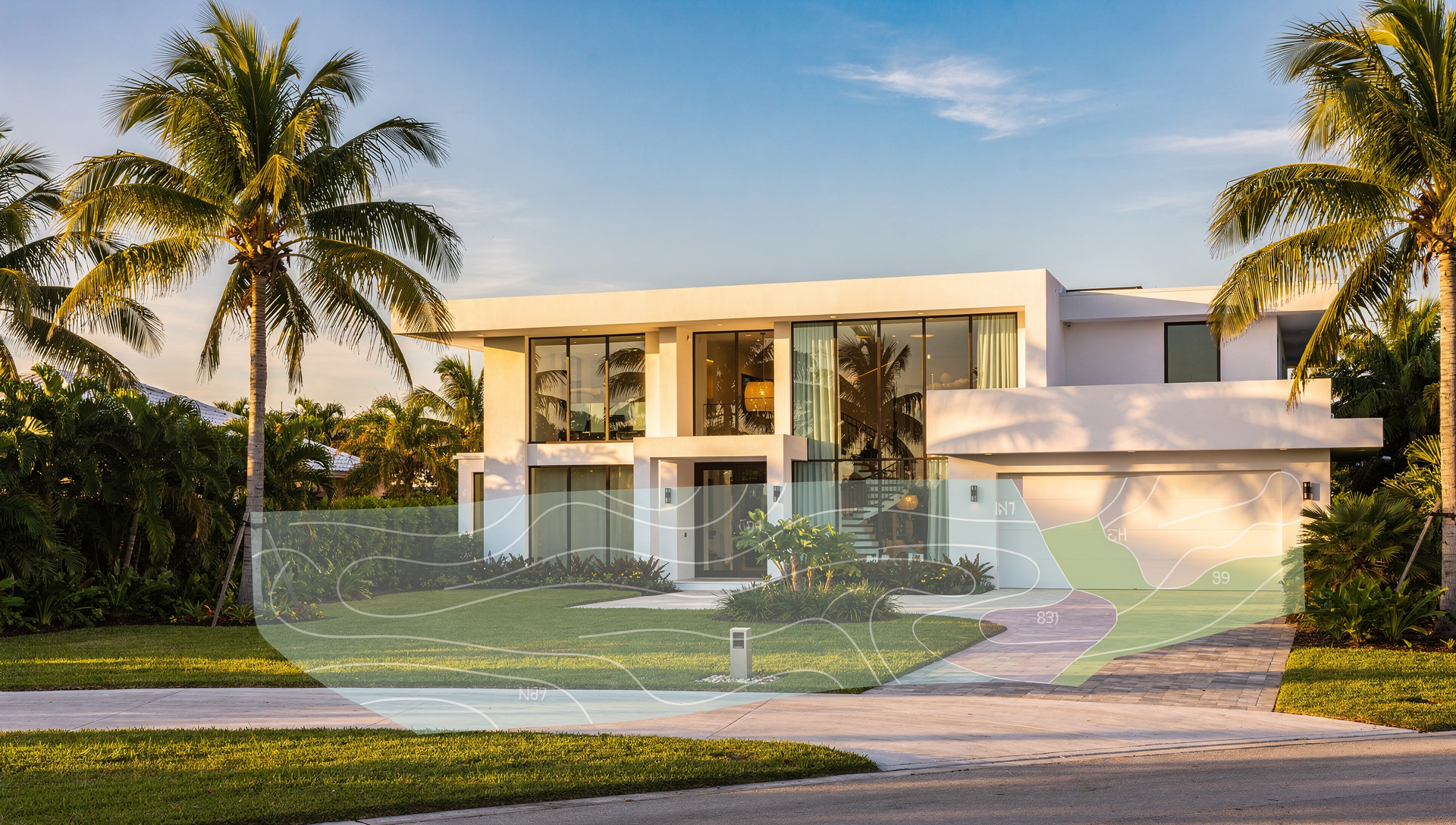
Florida flood insurance requirements can feel like trying to read a weather forecast during a hurricane while someone yells “Just vibe with it.” At WTF Real Estate, we make it easier by connecting you with screened Florida realtors and giving you a full-state IDX home search, so you can focus on finding the right home, not decoding insurance fine print.
Here is the headline: flood insurance is sometimes required, often smart, and occasionally a total surprise.
In most cases, the “required” part comes from your mortgage lender, not a random Florida rule. If the home is in a FEMA-mapped Special Flood Hazard Area (SFHA) and you use a federally backed mortgage, the lender typically requires flood insurance.
Even when it is not required, Florida flooding does not RSVP politely. It shows up uninvited, usually after a thunderstorm that lasted “only 20 minutes.”
1) Is the home in an SFHA (high-risk) flood zone?
That is determined using FEMA flood maps (FIRMs).
2) Are you financing with a mortgage lender that must follow federal flood rules?
If yes and the property is in an SFHA, flood insurance is usually mandatory.
Flood zones are basically FEMA’s way of saying, “Here is where water likes to throw parties.”
In simple terms:
High-risk zones (often A, AE, V): Higher chance of flooding, and mandatory flood insurance is common with most mortgages.
Moderate or lower risk zones (often X): Flood insurance may not be required, but it can still be a smart move depending on the home, elevation, and drainage.
Coastal areas can add extra spice. In places like Clearwater Beach, Naples, Miami Beach, or the Keys, storm surge and coastal flooding risks can change the insurance conversation quickly.
People hear “Zone X” and think “Never Floods.” That is not what it means.
Flood maps are a strong tool, but they are not a magical force field. FEMA and Florida regulators both emphasize checking risk and understanding your map status.
When you apply for a mortgage, the lender orders a flood zone determination using FEMA maps. If the structure is in an SFHA, the lender typically requires flood insurance to close.
What buyers often miss is the coverage amount logic. Lenders commonly require coverage up to certain limits, and the rules are tied to your loan and the NFIP framework.
Goofy but true comparison: your lender treats flood insurance like a seatbelt. You may be the safest driver in Sarasota, but they still want it clicked.
Most Florida buyers land in one of these buckets:
NFIP is the federal flood insurance program managed by FEMA. It is closely connected to FEMA flood maps and requirements, and it is widely used for mortgage compliance.
Private flood insurance can sometimes offer different pricing or higher limits depending on the home and location. Some lenders accept it if it meets required standards.
A good local agent and insurance pro can help you compare without the headache.
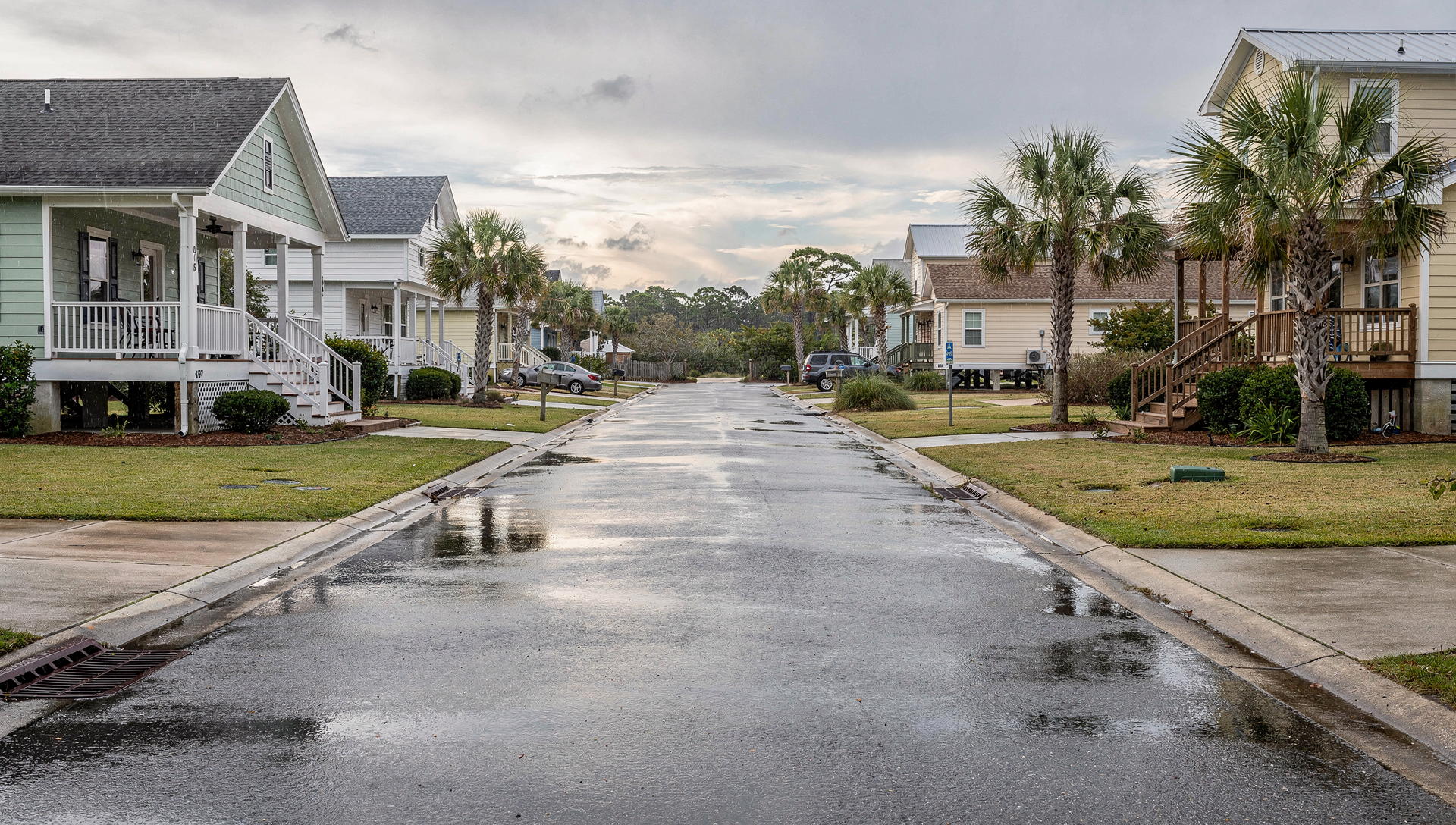
Here are real scenarios we see across the state:
Tampa Bay and St. Petersburg: Older neighborhoods plus heavy rain can mean localized flooding even off the beach.
Fort Lauderdale and parts of Miami: “Sunny day flooding” and drainage issues can make buyers pay attention fast.
Jacksonville and river-adjacent areas: Waterways are beautiful until they get bold.
Panhandle towns like Destin or Panama City Beach: Coastal exposure and storm patterns can push insurance decisions.
If you are relocating and want a lifestyle-first view of Florida areas, these are fun reads while you house hunt:
If you are considering a policy with Citizens Property Insurance Corporation, there is a major change rolling out.
Citizens states that by January 1, 2027, most personal residential policies that include wind coverage will be required to have and maintain flood insurance, under a phased approach created by the Florida Legislature.
That means flood insurance can become a requirement even beyond the classic “lender plus SFHA” scenario, depending on your policy situation.
Use this to stay calm and prepared.
Check the flood zone using FEMA flood map resources.
Ask your lender if flood insurance will be required for that address.
Get quotes early so you are not surprised during underwriting.
Ask for past flood history and any prior claims if the seller can provide them.
Review elevation and drainage with local context, especially in older areas or near water.
Be ready for buyers to ask about flood zone, prior water intrusion, and policy costs.
If you have mitigation features (elevation, flood vents, improvements), document them.
If your buyer is financing, flood requirements can affect closing timelines, so get ahead of it.
If your home is in a mandatory zone for your loan, the decision is made for you.
If it is optional, the decision becomes personal and practical. Many people choose coverage because Florida weather is not shy, and flood risk can exist outside the highest-risk zones.
Also, climate risk is becoming a bigger factor in real estate decisions and insurance affordability in general.
If you fall in love with water, Florida will support your lifestyle choices enthusiastically.
You might be boating in the Intracoastal near Boca Raton, kayaking springs near Ocala, or chasing manatees around Crystal River. That lifestyle is amazing, and it also means you should get smart about water risk while buying.
Here are a few local favorites:
Florida flood insurance requirements do not have to be confusing, but they do have to be handled early, especially if you are using a mortgage or considering a Citizens policy. The smartest move is to pair great local guidance with a clear home search, so you can buy with confidence anywhere from the Panhandle to the Keys.
Ready to explore Florida homes the smart way? Connect with a screened Florida realtor or start your home search through WTF Real Estate today.
Fill out the form below and we will team you up with one of our exclusive Florida REALTORS – Pre screened and vetted for pinnacle service.