Florida Airbnb Laws 11 Rules Smart Hosts Follow
Search For Your Florida Airbnb Property
Florida Airbnb laws can feel simple until you realize one beach town’s “easy approval” is another town’s “three forms, two fees, and a neighbor who emails code enforcement for sport.” If you want to run a short-term rental the right way, Welcome to Florida Real Estate (WTF Real Estate) can help you explore homes statewide with our full-state IDX search and connect you with screened Florida Realtors who understand which areas are friendly to short-term rentals and which areas come with extra hoops.
Florida Airbnb Laws You Must Know Before You Buy
Florida Airbnb laws start at the state level, but the real-world experience often depends on the county, city, neighborhood, and even the HOA.
Here’s the big-picture checklist most buyers should understand before they make an offer:
State vacation rental licensing
State and local taxes
City and county registration rules
Occupancy and safety requirements
HOA and condo association restrictions
Noise, parking, trash, and nuisance enforcement
Advertising rules and license number display
Insurance and risk planning
This guide keeps it simple, practical, and Florida-specific.
Search For Your Florida Airbnb Property
No Results Found.
Rule 1 Know If Your Property Needs A State Vacation Rental License
If you are renting a full unit short-term, Florida generally treats that as a vacation rental that must be licensed through the Florida Department of Business and Professional Regulation (DBPR).
What this means in plain English:
If you plan to rent a condo or entire home to guests for short stays, you should assume DBPR licensing applies until you confirm otherwise.
Licensing is handled by DBPR’s Hotels and Restaurants division (vacation rentals and transient lodging).
Friendly reminder: This article is not legal advice. A screened local Realtor plus the city’s short-term rental page is the fastest way to confirm the exact rules for the address you are considering.
Rule 2 Understand What Florida Lets Cities Regulate
Florida law limits what local governments can do in certain areas. For example, the Florida statutes include language that local laws cannot prohibit vacation rentals or regulate the duration or frequency of vacation rentals, with an important carve-out for ordinances adopted on or before June 1, 2011.
In practical terms, many cities and counties focus on:
Registration programs
Life-safety requirements
Noise and nuisance enforcement
Parking rules
Local business tax receipts
Local inspections and local contact person requirements
You will see this clearly in many city short-term rental checklists that require proof of state licensing and tax accounts as part of local compliance.
Rule 3 Do Not Assume SB 280 Changed Everything
You may have heard about Florida Senate Bill 280, which proposed statewide changes involving platforms, licensing, and local regulation structure.
The key update most buyers miss is that Governor Ron DeSantis vetoed SB 280 in June 2024, so it did not become law.
Translation: Florida’s short-term rental landscape is still shaped mainly by the existing statutes and local programs, not a brand-new statewide overhaul from that bill.
Rule 4 Taxes Are Not Optional And They Are Not Always Automatic
Short-term rentals in Florida commonly involve multiple layers of tax:
State sales tax
Local tourist development taxes (often county-level)
Potential surtaxes depending on location
Some platforms may collect certain taxes for certain transactions, but you should not assume you are fully covered without verifying what applies in your county and how the listing is structured. Many local compliance pages still require proof of a Florida Department of Revenue account or tourist tax registration.
If you are budgeting a move or purchase, it helps to read Florida Cost Of Living Comparison 2026 What Moving Really Costs because recurring costs and taxes can change your “great deal” into a “great lesson.”
Rule 5 HOA And Condo Rules Can Override Your Airbnb Dreams
Here is the part nobody wants to hear, but everybody needs to hear.
Even if a city allows short-term rentals, an HOA or condo association can have:
Minimum lease terms (30 days, 90 days, 6 months)
Caps on rental frequency
Application and approval requirements
Fines for violations
Before you buy, ask for:
The HOA rules and regs
The lease policy
The fine schedule
Any recent meeting notes about short-term rentals
A screened Realtor can usually spot these red flags quickly, especially in condo-heavy markets near the beach.
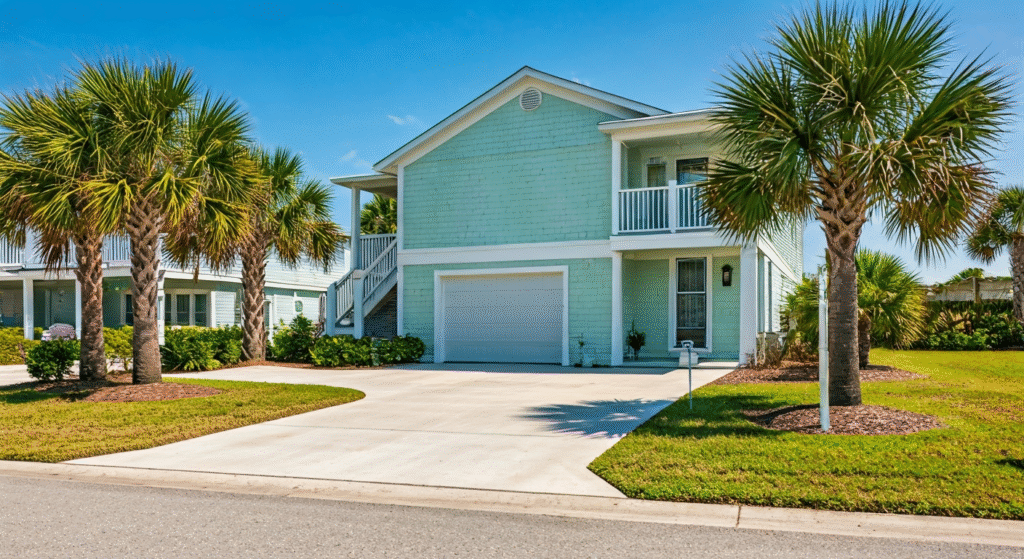
Rule 6 Location Matters More Than You Think
Florida short-term rental performance and regulation can look wildly different across the state.
Examples buyers often consider:
Orlando and Kissimmee for theme-park demand and family travel
Tampa Bay for events, sports weekends, and business travel
Miami and Fort Lauderdale for high demand but stricter enforcement in some areas
Destin and Panama City Beach for seasonal surges and coastal premiums
Jacksonville and St. Augustine for a mix of tourism and longer-stay demand
If you are still deciding where you fit in Florida, 10 Reasons Everyone Is Moving To Florida and What It’s Like Living In Florida 10 Amazing Things That Happen To You help connect lifestyle to location.
Rule 7 Expect Local “Operator” Requirements
Many Florida municipalities require something like:
A local responsible party who can respond fast
A posted permit number
A parking plan
A trash plan
A maximum occupancy statement
Proof of DBPR licensing and tax accounts
This is where buyers get tripped up. The home is perfect, the beach is five minutes away, and then the city requires a local contact within a certain distance.
If you are an out-of-state investor, plan for property management early.
Rule 8 Safety And Inspections Are Part Of The Game
Florida licensing and local programs often focus heavily on life-safety basics, such as:
Working smoke alarms
Fire extinguisher requirements
Clear egress and exits
General property condition standards
DBPR licensing guidance emphasizes that it is a regulated lodging activity with requirements beyond simply owning the property.
Rule 9 Advertising Must Match Real Compliance
Your listing should match your legal status. That includes using the correct address, accurate occupancy, and any required license or registration information where applicable.
SB 280 would have added more platform-focused listing requirements, but again, it was vetoed.
Even without SB 280, plenty of local programs require you to show proof of licensing and tax registration to operate legally.
Rule 10 Plan For Enforcement Not Just Paperwork
Florida short-term rental enforcement is often complaint-driven. That means you should invest in:
Noise control rules and clear house guidelines
Parking instructions with simple signage
A local manager who can respond quickly
A plan for party prevention (especially near beaches and nightlife areas)
If you want a fun reminder that Florida neighborhoods have real personalities, read Best Places To See Manatees In Florida Besides My In-Laws. Some communities are calm and sleepy. Some are a weekend soundtrack.
Rule 11 Buy With An Investor Mindset Not A Vacation Mindset
It is easy to fall in love with a property because it “feels like Florida.”
A smarter way to buy:
Check actual allowed rental duration for that address
Confirm HOA rules in writing
Price out insurance and taxes
Estimate a realistic occupancy rate for the seasonality of that market
Budget for repairs, turnover, and management
If you want the bigger investing picture, Why Investors Love Florida Real Estate Opportunities is a great companion read after this one.
Start Your Short-Term Rental Search The Right Way
Florida Airbnb laws are not here to scare you. They are here to keep neighborhoods livable and operators accountable. The easiest way to protect your time and money is to shop with local guidance and verify the rules before you close.
If you want to buy a short-term rental in Florida with confidence, connect with a screened Florida Realtor through WTF Real Estate and start your full-state IDX home search so you can compare markets, neighborhoods, and rental-friendly areas without guesswork.
Thinking of Buying or Selling in Florida?
Fill out the form below and we will team you up with one of our exclusive Florida REALTORS – Pre screened and vetted for pinnacle service.