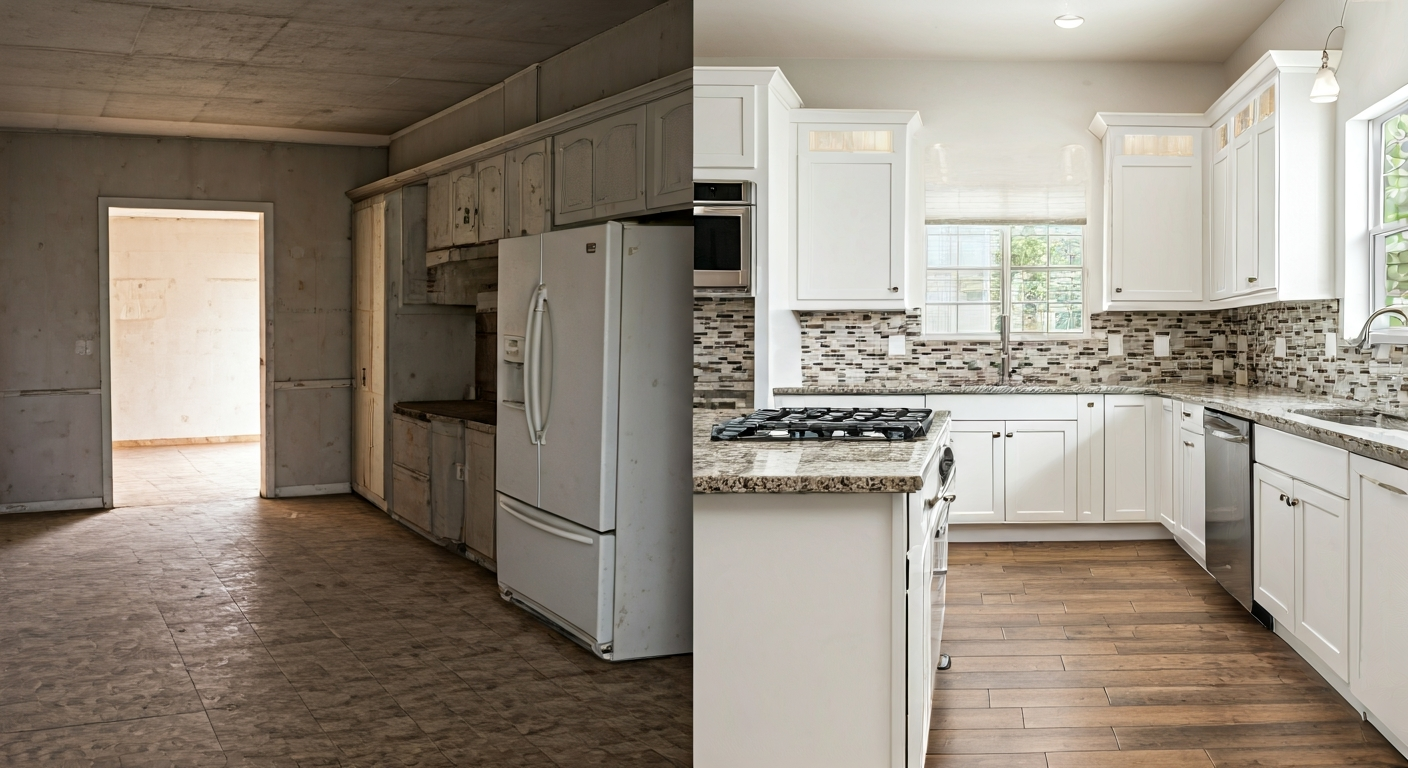
If you are searching for flipping houses in Florida tips, you are in the right place. Florida can be an incredible state to flip in, but it has a few “sunshine taxes” that can crush profit fast, like insurance surprises, flood zones, and permit delays.
That is exactly why Welcome to Florida Real Estate (WTF Real Estate) exists. We connect you with screened Florida realtors who know the local markets, the neighborhoods, and the gotchas investors learn the hard way. We also give you a full-state IDX home search so you can spot deals across Florida, not just in one ZIP code.
Successful flips are not about finding the cheapest house. They are about finding the right house, in the right area, with the right numbers.
Here is the simplest way to think about a flip:
Buy right (your profit is made at purchase)
Renovate smart (focus on what buyers pay extra for)
Sell fast (time is money, literally)
Protect your downside (insurance, permits, and risk checks)
Now let’s make this Florida-specific and practical.
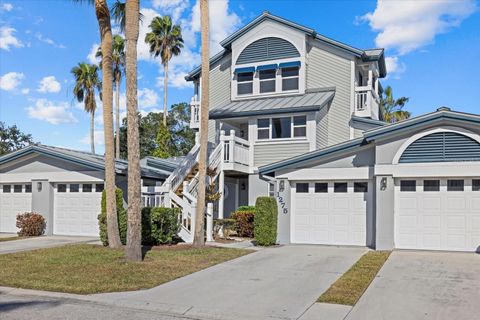
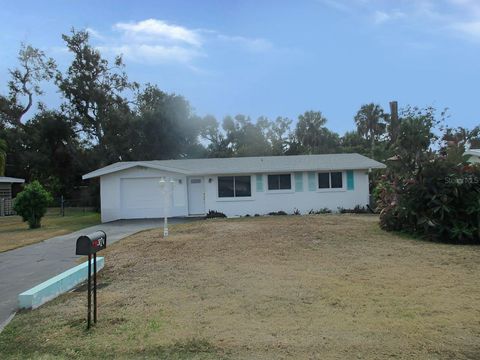
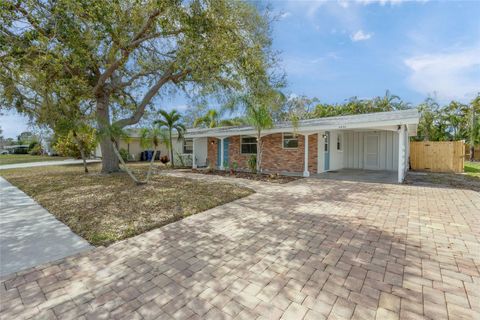
Florida is not one market. It is a bunch of micro-markets with different buyer types and price sensitivity.
A few common “flip profiles” you will see:
Starter Home Flip: Orlando suburbs, Jacksonville, parts of Tampa Bay
Lifestyle And Beach Flip: St. Petersburg, Sarasota, Fort Myers, Pensacola beach corridors
Higher-End Design Flip: Naples, Boca Raton, certain Miami suburbs (higher risk, higher upside)
Value And Space Flip: Ocala, parts of Polk County, growing inland communities
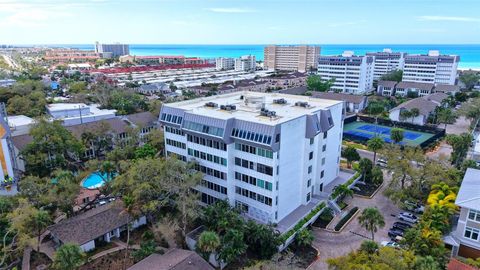
Local tip: Beach proximity can boost resale value, but it can also raise insurance complexity. That is a trade you want to understand before you close.
Want big-picture context on why so many people are relocating and buying in Florida right now? Read 10 Reasons Everyone Is Moving To Florida.
If you want consistent wins, you need a “boring” spreadsheet that assumes things will go slightly wrong. Because they usually do.
Key costs to include:
Purchase price
Closing costs
Renovation budget (materials, labor, contingency)
Holding costs (interest, taxes, utilities, lawn care, pool service)
Insurance (more on this below)
Selling costs (agent commission, staging, repairs after inspection)
Smart move: Add a contingency line of 10 to 15 percent to your renovation budget. In Florida, that buffer often saves you when you discover hidden moisture, older electrical, or roof issues.
Florida has plenty of areas where flood risk matters. Even if a property has never flooded, the flood zone designation can impact insurance needs and buyer financing.
Why this matters: Lenders often require flood insurance in certain FEMA-designated flood hazard areas, and that can affect closings and affordability.
What to do before you buy:
Check the property’s FEMA flood zone
Ask your insurance agent for a real quote, not a guess
Factor flood coverage into your holding costs and buyer affordability
Florida reality: Buyers love “five minutes to the beach.” Your spreadsheet needs to love it too.
Insurance is a major variable in Florida, and it can change your deal quickly. Some market reports show Florida homeowners premiums have been elevated in recent years, with signs of shifting conditions in parts of the market.
Investor mindset: You do not need perfect predictions. You just need to avoid underwriting a deal with fantasy insurance numbers.
Practical steps:
Get a quote during your inspection period
Ask about wind coverage, roof age impact, and flood requirements
Budget higher if you are near the coast or in a higher wind or flood risk area
Permit delays can destroy ROI because every extra month adds holding costs. Many Florida counties require permits for a wide range of improvements, and local building departments publish guidance on homeowner permits and inspection requirements.
Common work that often triggers permits:
Electrical updates
Plumbing changes
Structural modifications
Roof work
HVAC changes
Window and door replacements (especially impact-related work)
Pro tip: Ask your contractor what needs permits in that county, then call the building department to confirm. A one-hour call can save you a one-month delay.
Florida buyers pay for comfort, durability, and lifestyle.
High-ROI upgrades often include:
Roof health and documentation
HVAC performance (buyers care about cooling costs)
Impact windows or shutters in many areas
Kitchen refresh (not always a full gut)
Flooring that handles sand, pets, and humidity
Outdoor living (screened lanai, patio, clean landscaping)
Lifestyle examples that sell:
“Walkable to downtown St. Pete”
“Weekend boating in Cape Coral”
“Close to Disney and Orlando jobs”
“Sunset beach drives near Sarasota”
If you want to understand what living here feels like beyond the brochures, see What It Is Like Living In Florida.
If you plan to sell quickly, remember that some financed buyers may be affected by FHA property flipping restrictions. HUD guidance notes that a property resold within 90 days of acquisition is generally not eligible for FHA mortgage insurance unless an exemption applies.
What that means for you:
If your buyer pool includes FHA buyers, a super-fast resale can limit financing options
Holding a little longer can sometimes increase buyer demand and reduce friction
This is not a reason to panic. It is a reason to plan your exit strategy with your realtor and lender conversations in mind.
A great flip team in Florida usually includes:
A realtor who understands investor numbers and micro-markets
A contractor who can handle permits and inspections
An insurance pro who knows coastal realities
A lender who understands investment timelines
This is where screened relationships matter. The difference between a “yes” and a “good yes” can be tens of thousands of dollars.
If you are investing because Florida’s long-term outlook looks strong, you will like this too: Why Investors Love Florida Real Estate Opportunities.
Most investors search one city and miss the next city over where the numbers work better.
With a full-state IDX search, you can compare:
Tampa vs. St. Petersburg vs. Brandon
Orlando suburbs vs. Polk County value pockets
Jacksonville growth corridors vs. beach-adjacent areas
Fort Myers and Cape Coral recovery and demand patterns
Also, you should understand the true monthly cost of living when evaluating holding costs and resale affordability. This guide helps: Florida Cost Of Living Comparison 2026 What Moving Really Costs.
And if your flip is aimed at families, neighborhood selection matters more than paint color: Top Family Neighborhoods In Florida You Will Want To Move To.
Flipping in Florida can be incredibly rewarding when you buy with the numbers, plan for Florida-specific risks, and sell with a clear buyer in mind. The best flipping houses in Florida tips are simple: choose the right micro-market, budget conservatively, respect permits, understand flood and insurance realities, and work with local experts who do this every day.
If you want help finding a flip-friendly area, running comps, or connecting with a screened Florida realtor who understands investors, reach out to WTF Real Estate. Or start your full-state home search today through our IDX platform and explore Florida deals with confidence.
Fill out the form below and we will team you up with one of our exclusive Florida REALTORS – Pre screened and vetted for pinnacle service.