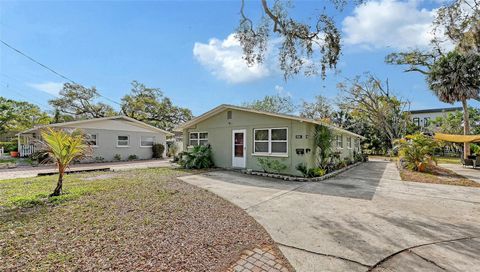
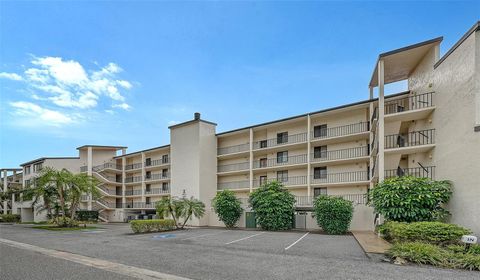
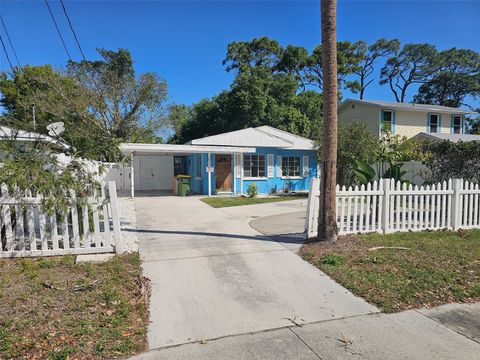
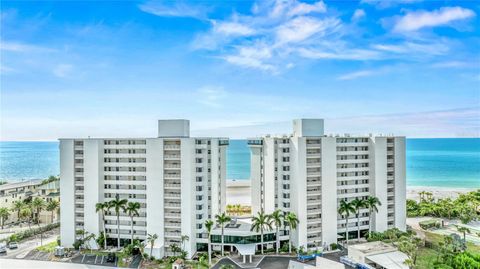
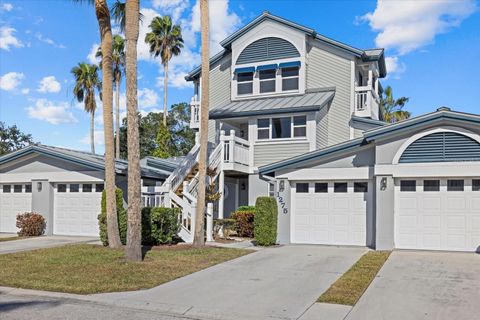
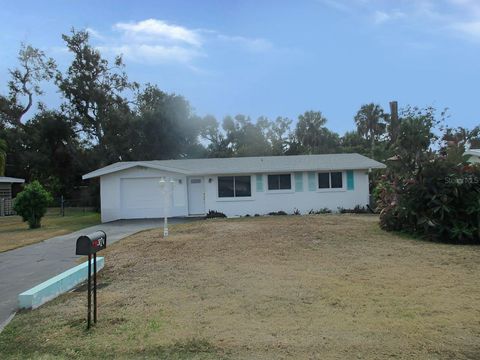
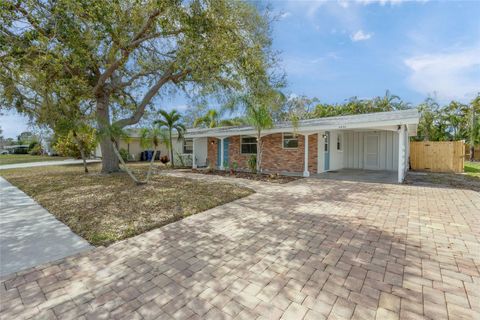
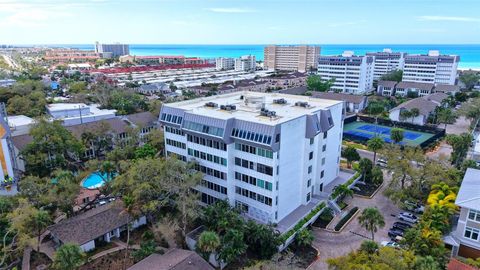
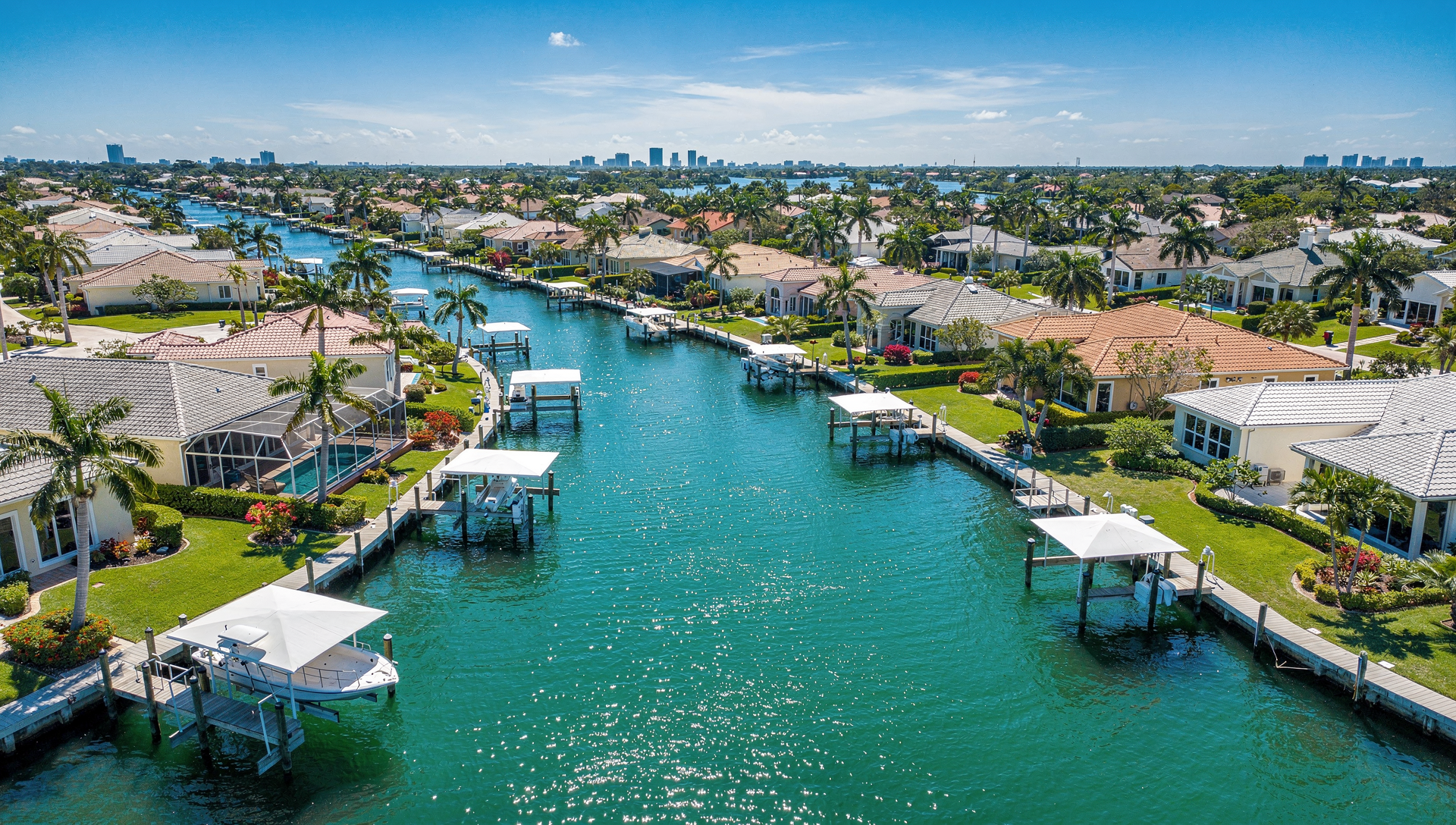
If investing in waterfront homes Florida is on your radar, you are not alone. From sunrise coffee on the Atlantic to sunset boat rides on the Gulf, Florida’s waterfront lifestyle has a way of turning “maybe someday” into “let’s book a showing.” That is exactly why WTF Real Estate exists: we connect you with screened Florida Realtors who know the neighborhoods, the numbers, and the fine print, and we give you a full-state IDX home search so you can explore options anywhere in Florida without bouncing between sketchy listings.
Not all “waterfront” is created equal. In Florida, the type of water you buy on often matters as much as the home itself.
Here are the most common waterfront categories you will see:
Gulf Front: Typically calmer waters and postcard sunsets in areas like Naples, Sarasota, and Clearwater.
Atlantic Front: Wave energy and beach culture in places like Jacksonville Beach, St. Augustine, and Palm Beach County.
Intracoastal And Lagoon: Often more protected boating water near markets like Fort Lauderdale, Boca Raton, and New Smyrna Beach.
Canal Front With Gulf Or Ocean Access: Boater-friendly pockets across Cape Coral, Venice, and parts of Pinellas County.
Lakefront: Freshwater views and water sports, popular around Orlando, Winter Park, and parts of Central Florida.
Riverfront: Old Florida vibes along stretches of the St. Johns River and communities near the Suwannee River region.
Quick investor mindset shift: You are not just buying a view. You are buying access, maintenance profile, rental demand, and insurance realities.
These are not “guaranteed winners.” Real estate never is. But these are common Florida waterfront property types that investors repeatedly target because they can align lifestyle demand with long-term value.
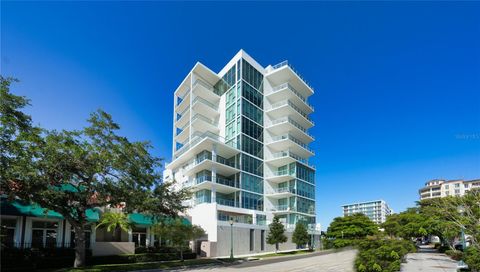
Think Siesta Key, Clearwater Beach, or St. Pete Beach vibes. Condos can be attractive because exterior maintenance is often handled by the association.
Investor watch-outs:
HOA rules on rentals and minimum lease terms
Special assessments for seawalls, roofs, and building upgrades
Insurance costs passed through dues
Best fit for: buyers who want simpler upkeep and strong vacation appeal.
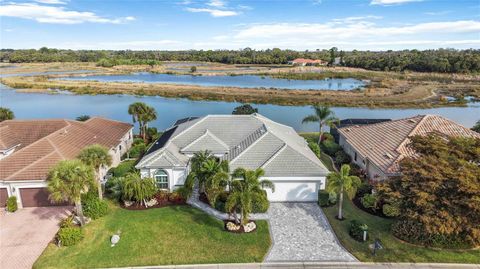
This is the “I want my own dock” property type, popular in places like Cape Coral and certain pockets of Sarasota County.
Why investors like it:
Boater demand is real and consistent
Boat lift and dock can boost perceived value
Often more “liveable” for longer-term tenants
Best fit for: investors who want a rentable home with a lifestyle hook.
You see this near Fort Lauderdale, Jupiter, and coastal Palm Beach County. Townhomes can offer a blend of waterfront feel and manageable maintenance.
Look for:
Private outdoor space and parking
Marina proximity
Rental policies and community financials
Best fit for: investors targeting higher-income renters and snowbirds.
The Panhandle can offer strong value compared to some South Florida markets. Areas near Pensacola, Destin, and Panama City Beach attract beach lovers and vacationers.
If you are exploring where to focus, check out Best Florida Panhandle Towns To Move To for lifestyle and community ideas.
Best fit for: buyers seeking a balance of price, beaches, and rental demand.
Lakefront homes around Winter Park, Windermere, and other Central Florida pockets can attract long-term renters who want space, schools, and lifestyle access.
Why this can work:
Less direct hurricane surge exposure than oceanfront
Strong year-round resident demand in many areas
Lake lifestyle is a quiet flex, and tenants notice
Best fit for: investors who prioritize stability over pure vacation income.
Think “Old Florida meets modern weekend escape.” Many Gulf Coast towns draw people who want laid-back living and water access.
For inspiration on lifestyle markets, explore 7 Best Gulf Coast Towns In Florida To Live The Dream.
Best fit for: investors who want a hybrid of personal use and rental strategy.
Some buyers want more than a beach. They want springs, wildlife, and weekend adventures.
If that is your vibe, you will love:
Best fit for: buyers who want a lifestyle-forward property that stands out in photos and stories, not just spreadsheets.
Waterfront investing rewards people who do a little extra homework. Here is what a strong screening process looks like.
Before you fall in love with the view, get answers to these:
Is the home in a flood zone, and what is the current insurance picture?
Is the area exposed to storm surge, or more protected by geography?
What is the seawall condition and remaining life if applicable?
Any signs of erosion, drainage issues, or recurring water intrusion?
How does the property handle heavy rain events?
Pro tip: Ask for documentation, not just opinions. Waterfront surprises are expensive.
If boating is part of the property’s value, check:
Bridge clearance if you have a tall boat
No-wake zones and time-to-open-water
Dock permits and restrictions
Maintenance expectations for lifts and pilings
For pure Florida boating inspiration, this post is a fun one: 9 Iconic Boating Destinations Every Florida Local Loves.
Your investment should still make sense if the market shifts.
Ask yourself:
Could this work as a long-term rental if short-term rules change?
Would an end-user buyer want it even if rates rise?
Does it have year-round livability, or is it only a vacation novelty?
Is the home easy to insure and maintain compared to nearby alternatives?
If you can answer those confidently, you are thinking like a pro.
Instead of arguing which coast is “better,” focus on what impacts returns and resale.
Rental Demand: Beach access, walkability, and amenities typically win.
Insurance And Risk: Exposure and elevation can heavily influence costs.
Maintenance: Salt air, seawalls, docks, and corrosion are real.
Lifestyle Pull: Some buyers want sunsets, others want surf, and boaters want access.
A screened local Realtor will help you compare areas street-by-street, not just city-by-city.
Avoid these and you will already be ahead of most people who shop online at midnight and convince themselves they are basically a developer.
Buying based on the view, ignoring flood and insurance realities
Not checking rental restrictions before underwriting income
Underestimating dock, seawall, and exterior maintenance costs
Skipping local expertise and missing neighborhood-specific risk factors
Overpaying for “waterfront” that has poor access, poor upkeep, or poor resale appeal
Waterfront can be an amazing investment. It just needs the right plan and the right team.
If you are serious about investing in waterfront homes Florida, the next step is simple: match with a screened Florida Realtor who understands waterfront nuances and can help you evaluate deals with confidence.
Explore Florida waterfront listings using our full-state IDX home search, then reach out and we will connect you with a vetted expert in the exact area you are targeting. The right waterfront home is out there, and it should feel exciting, not risky.
Fill out the form below and we will team you up with one of our exclusive Florida REALTORS – Pre screened and vetted for pinnacle service.